
Triathlon Without Swimming? Absolutely
You do not need to force yourself through cold open water to earn the right to call yourself a triathlete. A triathlon without swimming is not a watered-down version of the real thing. For plenty of people, it is the real thing – a tougher, more inspiring and far more memorable test built around adventure, variety and the kind of challenge you actually want to turn up for.
That matters because traditional triathlon can be a sticking point for otherwise keen participants. Some people are strong cyclists and runners but never feel fully comfortable in open water. Others simply do not enjoy the swim enough to commit to training for it. Then there are those who want an event with less pool-clock energy and more fresh-air buzz. If that sounds familiar, the answer is not to give up on multisport. It is to find a format that fits how you want to race.
What does a triathlon without swimming look like?
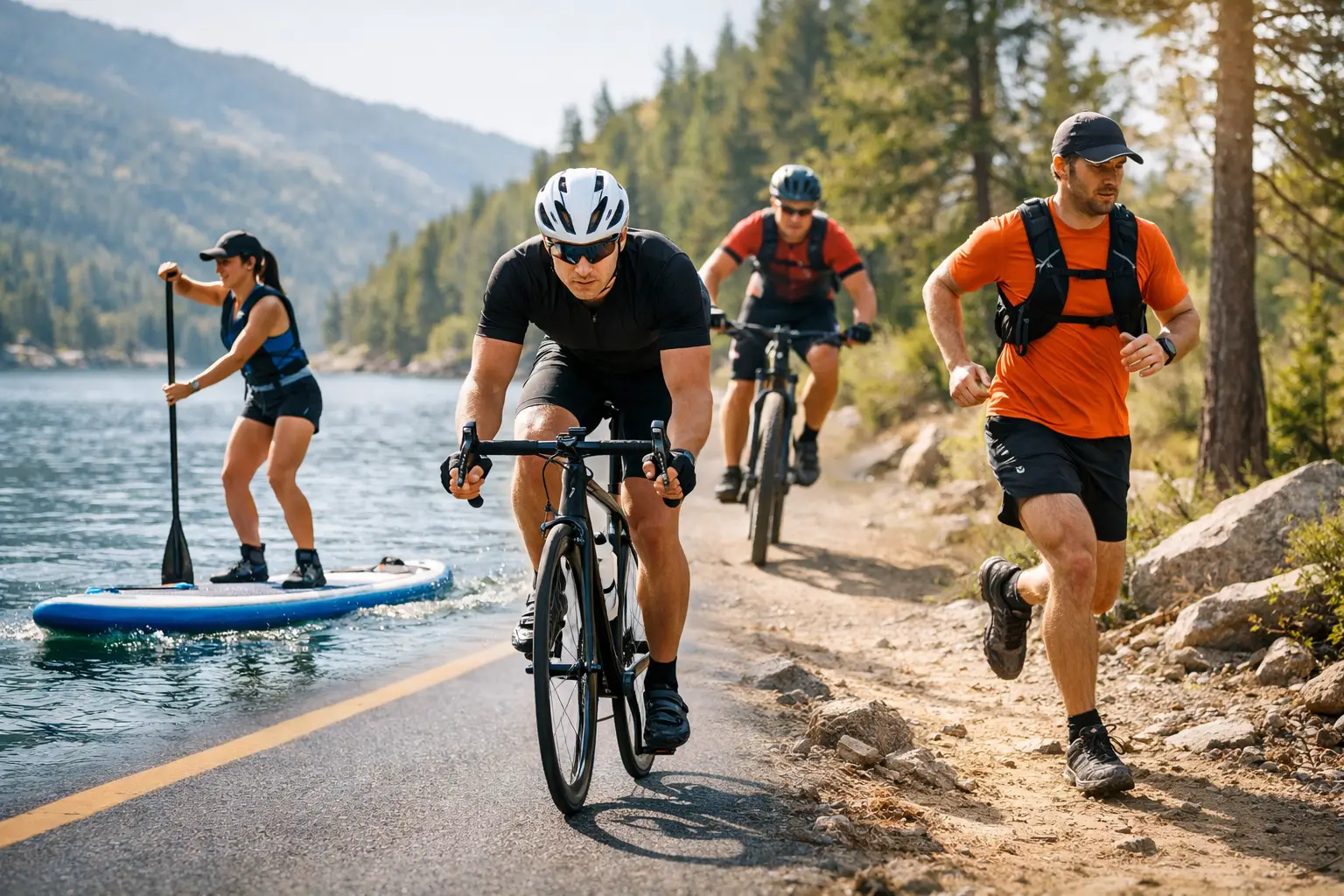
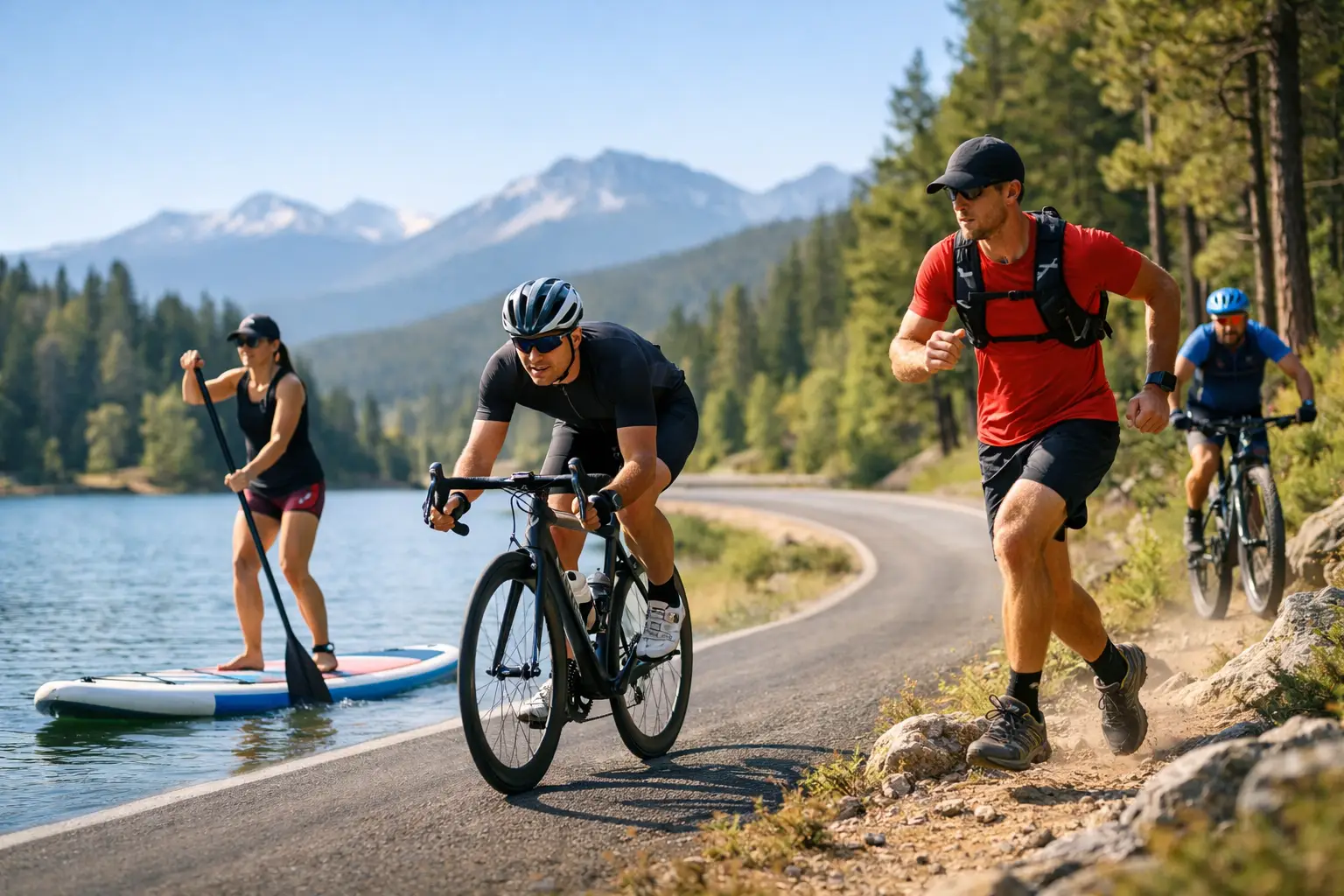
At its simplest, a triathlon without swimming keeps the spirit of three-discipline racing but swaps out the swim for something else. The strongest alternative is one that still demands balance, endurance, pacing and nerve. That is why paddleboarding makes so much sense.
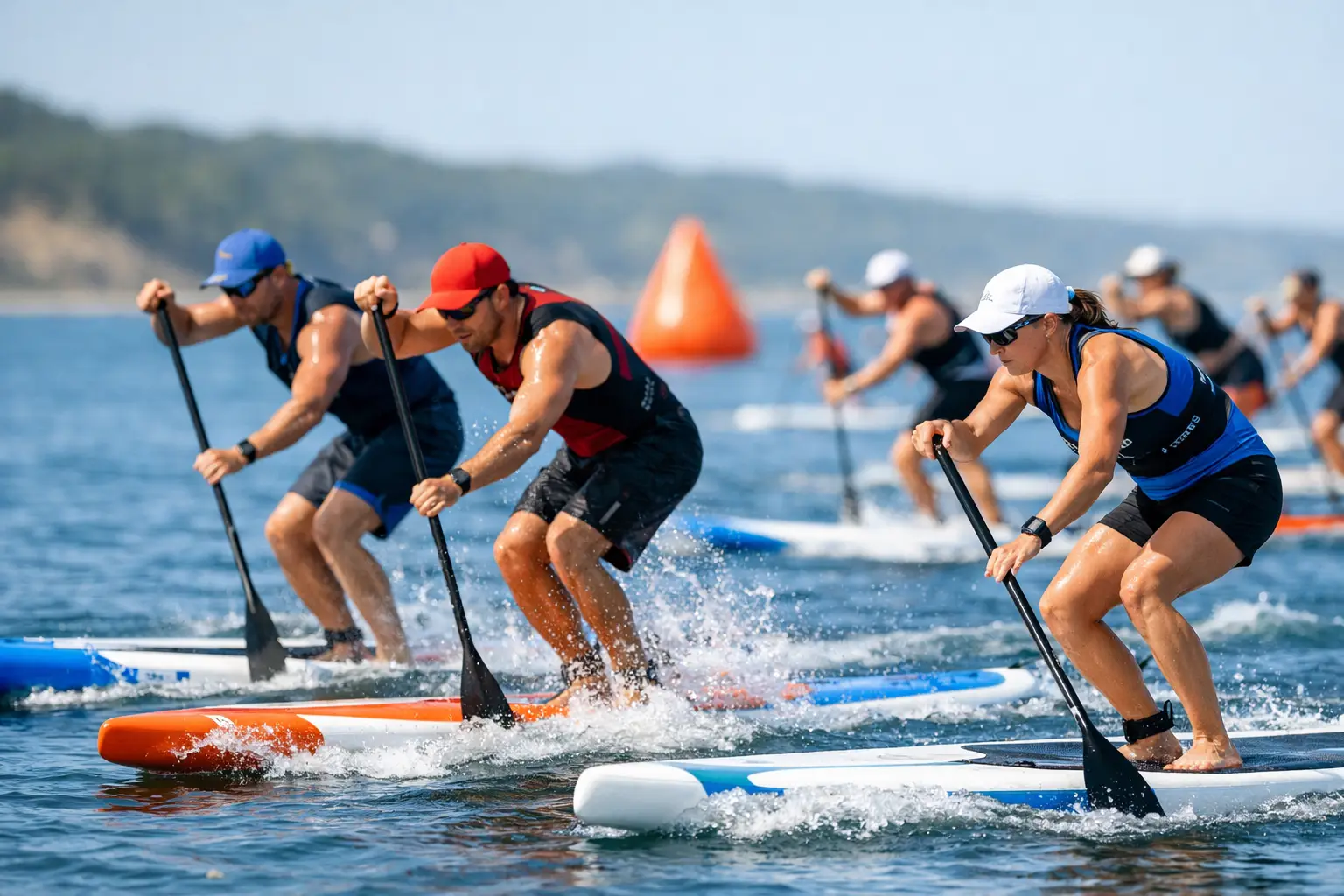
A stand up paddleboard leg brings in many of the same qualities people respect in open-water swimming. You still need composure, rhythm and efficient movement. You still need to manage your effort early so you do not ruin the rest of the day. But the experience feels different. It is more accessible for many participants, more connected to the landscape, and often a lot more enjoyable from the first minute to the last.
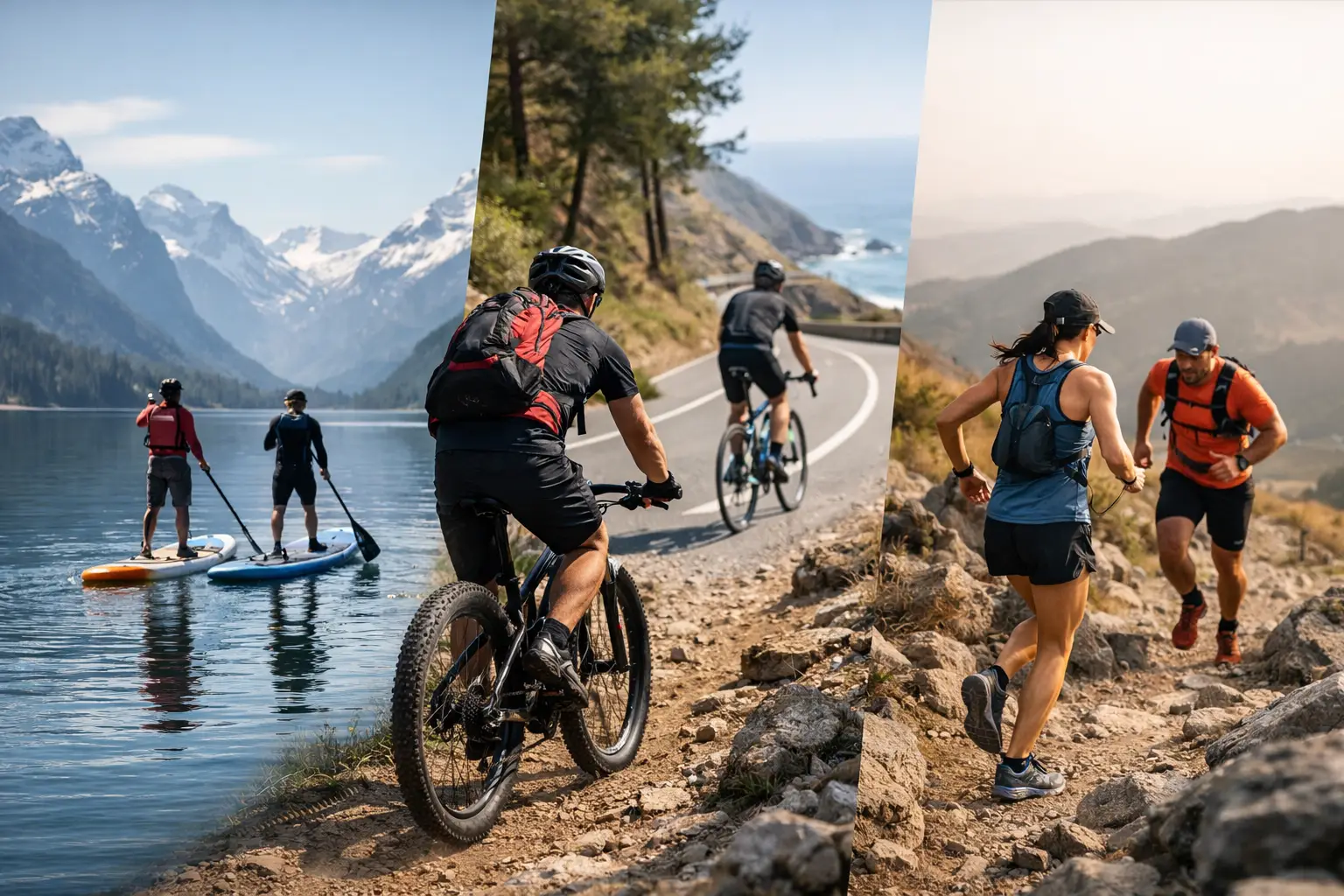
Add cycling and trail running and you have a format that feels adventurous rather than conventional. It keeps the challenge high but changes the character of the event completely. You are not just ticking off disciplines. You are moving through water, onto two wheels, then onto the trails in a way that feels like a proper outdoor day out – only faster, muddier and much more exciting.
Why a triathlon without swimming appeals to more people
The obvious reason is confidence. Open-water swimming can be the barrier that stops people entering multisport events at all. Even fit, capable athletes can feel uneasy about crowded starts, cold conditions or sighting in unfamiliar water. Replacing that leg opens the door to a broader group of participants without removing the sense of achievement.
But the attraction goes beyond accessibility. A triathlon without swimming often feels less boxed-in and more adventurous. It draws people who like endurance sport but do not want the culture around it to feel too rigid. That includes cyclists who want a bigger challenge, runners who fancy mixing things up, paddleboarders looking for a proper race-day buzz, and active people who would rather spend a weekend in the outdoors than in a leisure centre lane session.
It also creates a different atmosphere. These events tend to attract people who are serious about effort but relaxed about image. You still get commitment, preparation and competitive spirit. You just get more smiles at the start line and fewer people pretending they are heading for Kona.
Is it still a real triathlon?
Short answer – yes, if the event is built properly.
Purists may argue that triathlon means swim, bike, run and nothing else. Fair enough if you are talking about the traditional format. But multisport has always evolved. Duathlons, aquathlons, off-road triathlons and adventure races all prove that endurance events are not fixed in stone. What makes them meaningful is not blind loyalty to one format. It is the combination of disciplines, the demands of transition, and the need to manage effort across a full race.
A paddleboard-bike-run event is not pretending to be a pool-based race with a missing leg. It is a different beast, and that is exactly the point. It has its own skills, its own tactics and its own appeal. Done well, it feels less like a compromise and more like the future of outdoor multisport.
The challenge is different, not easier
Anyone tempted to think this is the easy option should spend ten minutes on a board in wind, then get on a bike with tired legs and finish on uneven trails. A triathlon without swimming shifts the demands rather than softening them.
Paddleboarding asks for stability, core control and patience. If you go off too hard, you will feel it. If your technique is scrappy, you waste energy. The bike section can be where confidence pays off, but only if you have paced the first leg sensibly. Then the trail run brings its own sting. It is rarely as predictable as road running, and that is part of the fun. You have to stay switched on.
This is one of the biggest strengths of the format. It rewards all-round capability, not just one specialist skill. It feels dynamic. Conditions matter. Terrain matters. Decision-making matters. The race unfolds differently for everyone.
Triathlon without swimming training – what changes?
Training for this kind of event is often more appealing because it feels less repetitive. You still need consistency, but your sessions can be built around adventure rather than obligation.
Paddleboarding deserves proper attention. If you are new to it, your first gains will come from time on the water rather than heroic fitness sessions. Balance, stroke efficiency and confidence in varying conditions are worth more than flailing around trying to brute-force speed. Once you have the basics, endurance sessions and race-pace efforts start to make sense.
Cycling remains a key engine-builder. Depending on the course, you may need climbing strength, handling confidence or the ability to hold a solid pace after a technical first leg. Trail running is equally important because surfaces change your rhythm. If all your running is on tarmac, the event can feel far more demanding than expected.
The upside is that training feels rich. You can build weekends around water time, rides and trail miles rather than endlessly chasing swim splits. For many people, that means better consistency because they actually enjoy the process.
Who is this format right for?
It suits more people than you might think. If you are put off by swimming but still want a proper endurance challenge, the fit is obvious. If you already love paddleboarding, it gives you a fresh way to test yourself. If you come from cycling or running and want something that feels bigger than a single-discipline race, it can be the perfect next step.
It also works well for groups. Friends do not all need the same sporting background to line up together. Corporate teams can get behind it because it feels adventurous and inclusive at the same time. Spectators tend to enjoy it more too, because the format is visually engaging and the atmosphere is often part festival, part race village, part outdoor weekend.
That said, it is not automatically for everyone. If your main goal is a recognised road triathlon progression, you may still prefer the classic route. And if you dislike variable terrain, weather and kit that gets a bit muddy, adventure multisport might not be your natural home. This format rewards people who can embrace a bit of unpredictability.
Why the experience matters as much as the result
The best events in this space understand that participants want more than a finishing time. They want challenge, yes, but they also want a day that feels worth the training. That means smart organisation, clear course planning, reliable safety cover and proper event support. It also means atmosphere.
When the setting is right, a triathlon without swimming becomes something bigger than a standard race entry. It feels social without losing edge. It gives first-timers room to step up and experienced racers room to push hard. You come away with the satisfaction of having worked for it, but also the sense that you have been part of something a bit different.
That is where brands like SUPBIKERUN stand out. The format is proudly unconventional, but the delivery still matters – from event structure and support on the day to the sense of community around the whole experience. That combination is what turns curiosity into commitment.
The future of triathlon without swimming
The appetite for new endurance formats is only growing. People still want challenge, but they are increasingly choosing events that feel meaningful, social and rooted in the outdoors. A triathlon without swimming lands right in that space. It keeps the personal test, drops the least appealing barrier for many entrants, and replaces it with something that feels adventurous from the start.
For some, it will be a stepping stone into multisport. For others, it will become the format they prefer full stop. Either way, it proves there is more than one way to race hard, earn your finish and have an excellent day doing it.
If the thought of open-water starts has been the one thing holding you back, that is not a sign endurance sport is not for you. It may just mean you have been looking at the wrong start line.